
The factory side of the inventory equation
Everyone reads inventory from the brand or the retailer side. The decisions that set it are made months earlier, on the factory floor, against capacity that was booked and materials that were already committed.
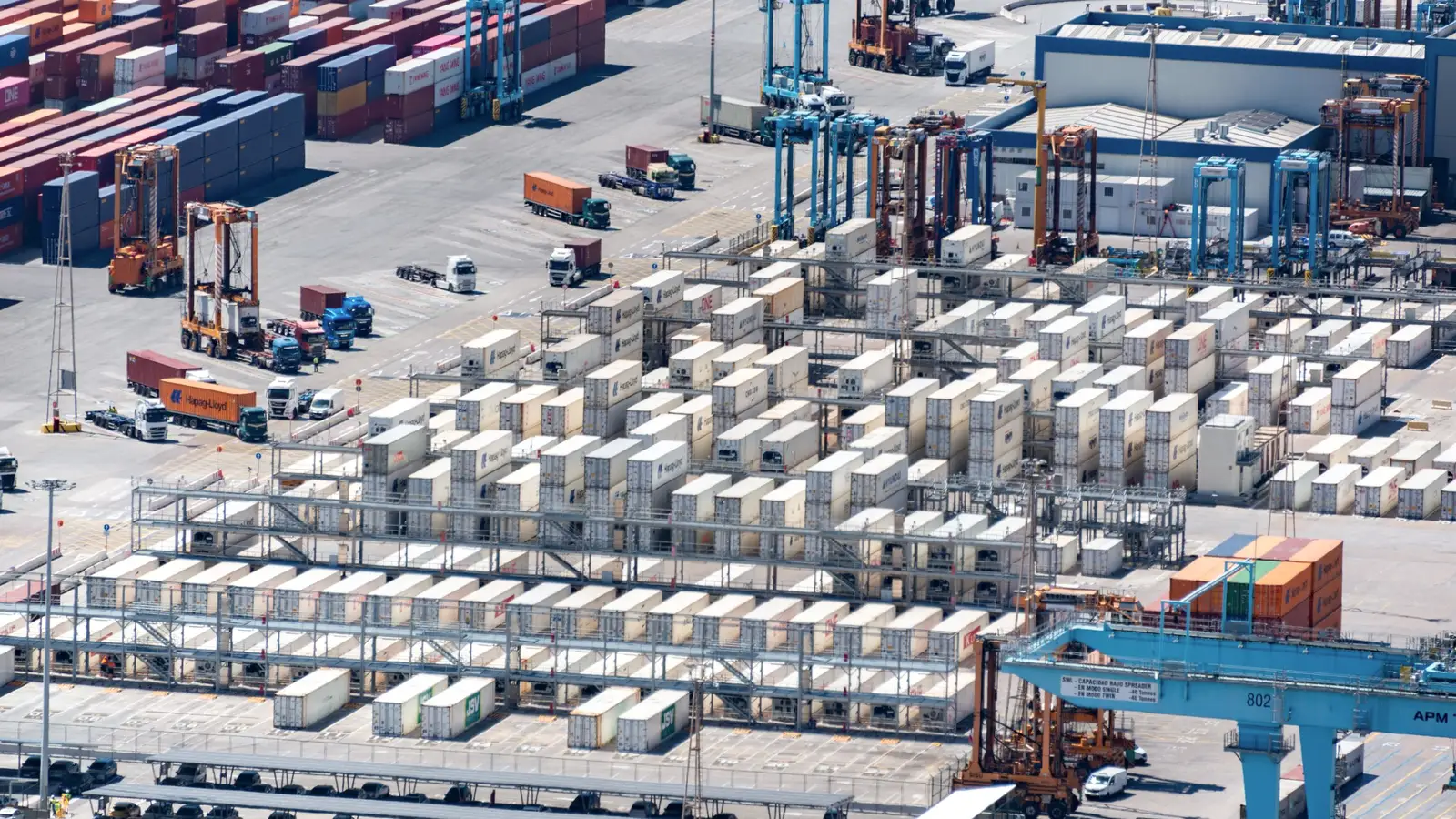
Everyone talks about inventory problems from the brand side or the retailer side. Almost nobody talks about the factory.
If you want to understand why a brand's seasonal lineup looks the way it does, or why a retailer's shelves are over or understocked, you have to go upstream. All the way to the factory floor. That is where the season was actually decided, months before anyone had a number to argue about.
What a factory runs on
A factory's survival comes down to three things: budget, capacity, and productivity. Annual capacity. Monthly output by line. Inspection cycles. And, critically, the materials that feed all of it.
Those three are not abstractions to the person running the plant. They are the week's schedule. When a brand asks for something, the request lands on one of them, and usually on all three at once: a later order date compresses the line, a smaller run hurts the cost per unit, a colour change resets the material clock.
The material clock starts first
Long lead time fabrics. Specialty trims. Molded components. Functional materials that require forecasting and minimum order quantities months before a single unit ships.
This is the part that surprises people who have only seen the finished goods end. The commitment that decides your season is not the purchase order for garments. It is the yarn, the coating, the buckle tooling, and the mill booking that had to be placed long before the line was signed off.
| What it is | What it commits you to |
|---|---|
| Long lead time fabrics | A mill booking and a yardage minimum, placed before the line is final |
| Specialty trims | Tooling or a dyelot, often with a higher minimum than the style needs |
| Molded components | A mold, which is a fixed cost and a fixed lead time before first shot |
| Functional finishes | A process window at the mill, and testing before bulk approval |
| Solution-dyed yarn | Colour committed at the fibre stage, so the palette is locked early |
Every row in that table is a decision that has to be made while the forecast is still a guess. That is not a failure of planning. It is the shape of the business. The mistake is pretending the guess can be revisited for free in month four.
The loop nobody draws
When brands push for pre-season orders from retailers, or retailers commit open-to-buy against a brand's line, those decisions ripple all the way back to a factory's capacity planning and raw material commitments.
The supply chain is not a line. It is a closed loop. A retailer trimming an order does not simply reduce a number on a brand's sheet. It leaves booked capacity unfilled and materials already paid for, and the factory prices the next programme accordingly. A retailer adding late does the reverse: it asks for capacity that was given to someone else, and materials whose lead time has not moved.
The factory is the part most people skip over. It is also the part that decides whether the plan on the page was ever possible.
What to do about it
Three habits separate the brands that get good outcomes from the ones that fight their own supply chain every season.
- Book capacity as a decision, not a formality. Tell the factory what you intend to place and when, then hold to it. The brands that get the good lines are the ones whose word on volume has been reliable for years.
- Be honest with the forecast you hand upstream. A number chosen to look ambitious in a meeting becomes someone else's material commitment. If you are unsure, say the range, and agree where the flexibility actually sits.
- Front-load the decisions with the longest tails. Colour, coatings, molds, and anything tooled. These are the choices that cost a season when they move late, and cost nothing when they are made on time.
None of this requires a new system. It requires reading the season from the factory end as well as the retail end, and treating the mill's calendar as a real constraint rather than a supplier's problem.
Thirty-five years on factory floors, in China since 1989 and across Vietnam, Taiwan, Korea, Thailand, and Mexico. If you are looking at a season that does not add up, the answer is usually upstream of where you are looking.