Solution dye versus conventional dyeing, by the numbers
What solution-dyed fabric is, what the published comparison says about water, chemicals, energy, and CO2, and where the process fits in an outdoor product programme.
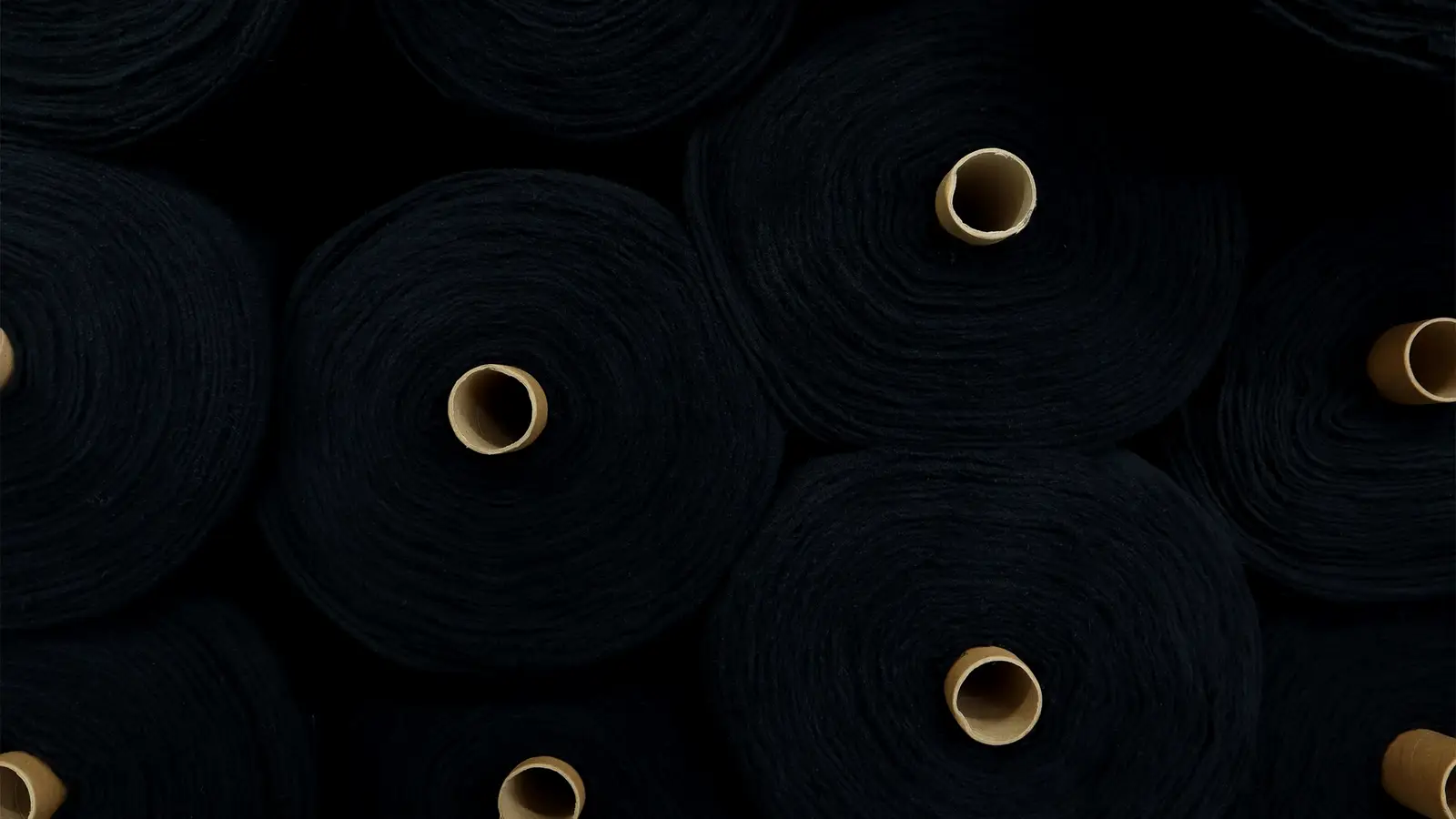
Solution dyeing puts the colour into the polymer before the fibre is extruded. Conventional dyeing colours the fabric after it is made. That one difference explains the rest.
What the comparison shows
The comparison below is the one CenterEdge has used in programme material for years, per 10,000 yards of fabric.
| Measure | Conventional dyeing | Solution-dyed fabric | Reduction |
|---|---|---|---|
| CO2 (tons) | 5.769 | 2.143 | 63% |
| Water (kL) | 280 | 30 | 89% |
| Chemicals (kg) | 600 | 221 | 63% |
| COD (kg) | 154 | 49.95 | 68% |
| Energy (kWh) | 8,825 | 3,245 | 63% |
Water is the number that stops people. Nine-tenths of it goes away because there is no dye bath to fill, heat, and treat.
What else you get
Because the pigment is in the fibre rather than on it, solution-dyed fabric holds its colour under UV exposure better than piece-dyed fabric, resists fading through washing and abrasion, and comes out consistent from lot to lot. For tents, packs, and anything that lives outside, that is the property the customer notices in year three.
Where it does not fit
The colour is committed at the fibre stage, so minimums are larger and late colour changes are expensive or impossible. A programme with a small, stable palette is a good candidate. A programme that changes seasonal colours every few months usually is not, at least not across the whole range.
The programme decision
Solution dye belongs in the material plan, not the marketing plan. Decide it at the line-planning stage, when the palette is being set and the mill has time to run it. Added later, it costs a season.